


 Español

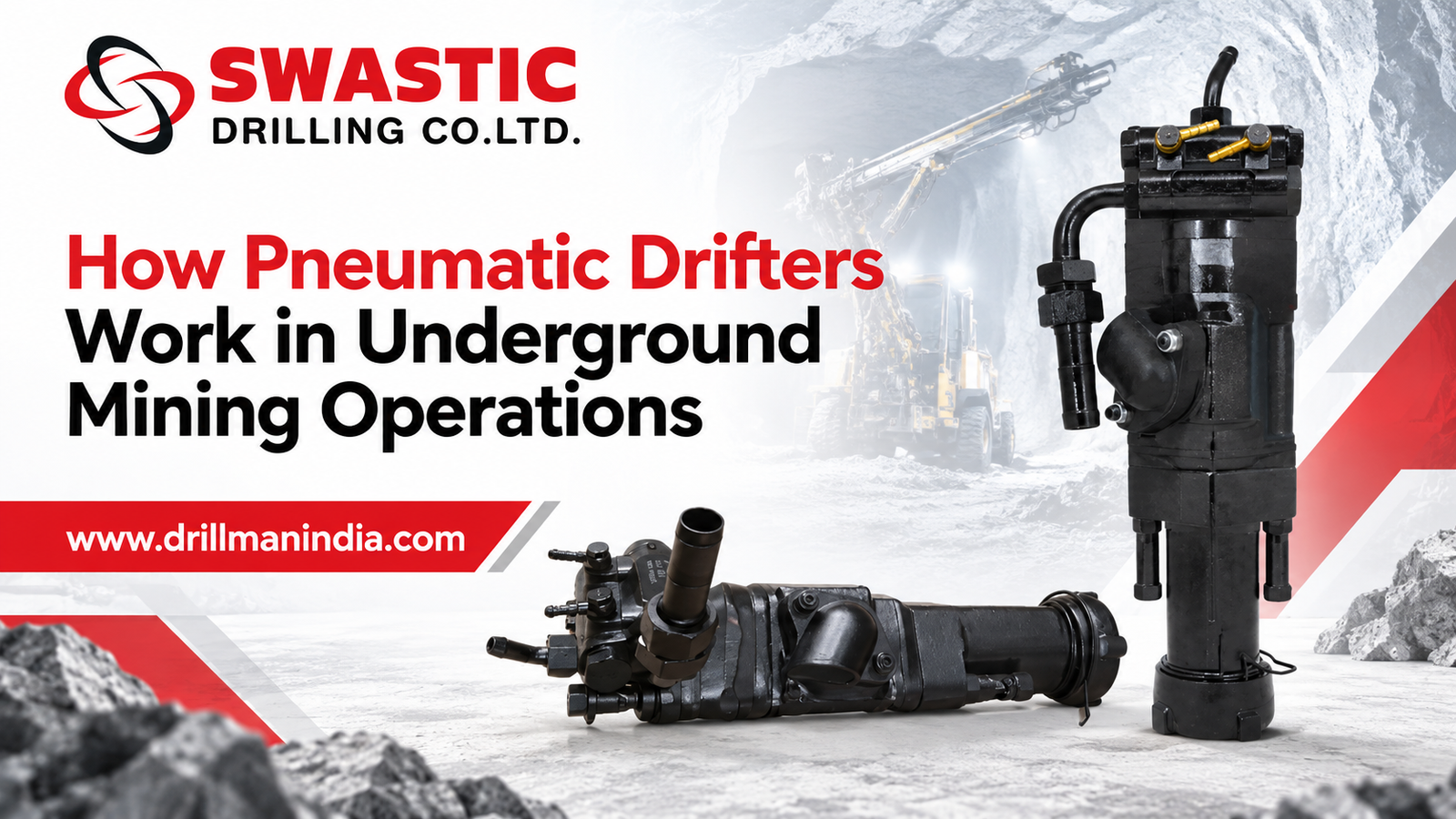
Underground mining requires drilling equipment that can work effectively in confined spaces, challenging rock formations and demanding operating conditions. Whether preparing blast holes or carrying out rock excavation, selecting the right drilling equipment directly influences productivity and operational efficiency.
A pneumatic drifter is a compressed-air-powered rock drilling machine designed to break hard rock through repeated impact and rotation. Understanding how this equipment works helps mining contractors and equipment buyers make informed decisions about machine selection, performance and maintenance.
What Is a Pneumatic Drifter?
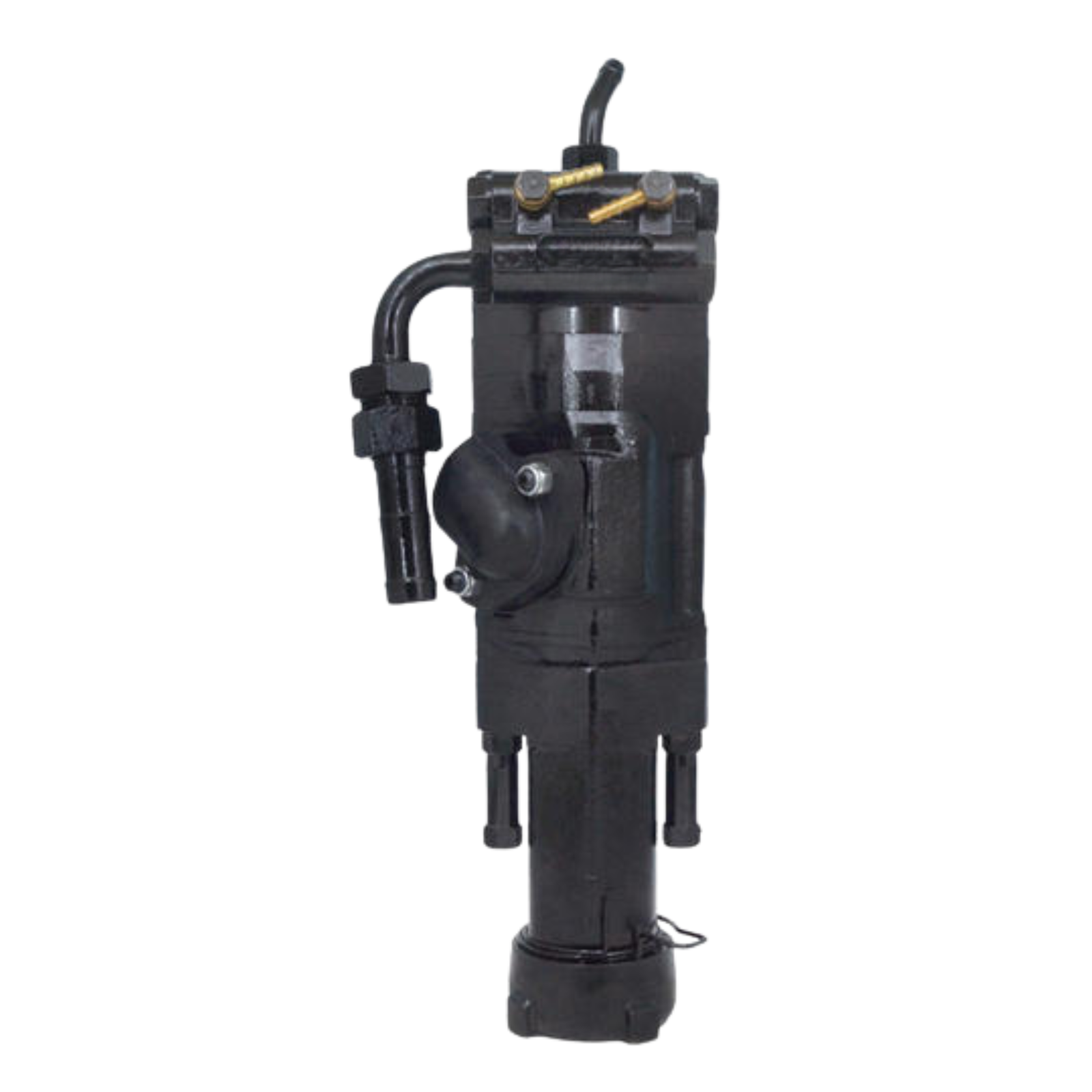
A pneumatic drifter is a mechanised rock drilling unit commonly mounted on a feed system or drilling rig. It uses compressed air to generate repeated percussive impacts while rotating the drill steel to break rock and advance the drill bit.
Unlike a conventional handheld rock drill, a drifter drilling machine is generally designed for guided operation, allowing controlled movement and feed pressure during drilling.
These machines are used in underground mining, tunnelling and other rock excavation applications where accurate hole positioning and consistent drilling are important.
How Does a Pneumatic Drifter Work?
A rock drilling drifter operates through four essential functions: percussion, rotation, feed and flushing. Each function contributes to effective rock penetration and hole formation.
1. Compressed Air Powers the Machine
The drilling process begins when compressed air enters the drifter through its air supply connection.
Inside the machine, an air distribution mechanism directs compressed air to drive a piston backwards and forwards. This repeated movement generates the impact energy required for rock drilling.
Adequate air pressure and airflow are important for maintaining consistent performance.
2. Percussion Breaks the Rock
The moving piston delivers repeated impacts to the drill steel through the striking mechanism.
These impacts transmit energy along the drill rod to the drill bit, which fractures and crushes the rock surface.
The effectiveness of this process depends on factors such as rock hardness, impact energy, drilling parameters and the condition of the drill bit.
3. Rotation Supports Hole Formation
While percussion breaks the rock, the rotation mechanism turns the drill steel and bit.
This allows the cutting elements to contact different areas of the hole bottom, supporting progressive rock fragmentation.
Proper coordination between percussion and rotation helps maintain effective drilling and reduces unnecessary wear on drilling components.
4. Feed Pressure Advances the Drill
The feed mechanism applies controlled forward pressure as the drill bit penetrates the rock.
Insufficient feed pressure can cause unstable drilling, while excessive pressure may increase component stress or interfere with rotation.
Correct feed settings depend on the equipment, drilling arrangement and ground conditions.
5. Flushing Removes Rock Cuttings
As drilling progresses, broken rock particles accumulate inside the hole.
A flushing system uses air or water, depending on the machine configuration, to remove these cuttings.
Effective flushing helps prevent material build-up, reduces repeated crushing of loose fragments and supports continuous drilling.
Where Are Pneumatic Drifters Used in Underground Mining?
Pneumatic drifters can support several underground drilling activities, depending on their design and mounting arrangement.
- Blast hole drilling: Creating holes for controlled rock blasting during mine development.
- Tunnel development: Drilling into rock faces during underground excavation.
- Drift and crosscut development: Supporting drilling operations needed to extend underground access routes.
- Rock support drilling: Preparing holes for suitable ground support systems when the equipment configuration permits.
Application requirements vary according to drilling direction, hole diameter, rock conditions and mine layout.
What Should Buyers Consider When Selecting a Pneumatic Drifter?
Choosing suitable drilling equipment involves more than comparing purchase prices. Buyers should evaluate the machine against actual underground operating requirements.
Rock conditions: Rock hardness, abrasiveness and geological variations influence drilling performance and bit selection.
Air supply requirements: Available compressor capacity, working pressure and airflow must match the machine’s specified operating requirements.
Drilling dimensions: Required hole diameter, depth and drilling direction should be compatible with the selected machine.
Drill steel compatibility: Shank adaptors, drill rods and drill bits must match the drifter’s connection specifications.
Maintenance and spare parts: Buyers should consider lubrication requirements, servicing accessibility and replacement component availability.
Working with an experienced pneumatic drifter manufacturer can help buyers understand equipment configurations and technical compatibility.
Similarly, a reliable pneumatic drifter supplier should provide clear product specifications and information about suitable drilling accessories.
Maintenance Practices for Reliable Drilling
Routine maintenance helps reduce unexpected interruptions during underground operations.
Operators should inspect air hoses and connections, follow the recommended lubrication schedule, monitor drill steel wear and check flushing passages for blockages.
Regular examination of the feed mechanism and other moving components can also help identify developing problems.
Maintenance procedures should always follow the instructions provided for the specific machine model.
Conclusion
Pneumatic drifters play an important role in underground rock drilling by combining compressed-air-powered percussion, rotation, controlled feed and flushing.
For mining contractors and equipment procurement teams, understanding these working principles makes it easier to evaluate drilling requirements, select compatible accessories and plan maintenance.
Before purchasing equipment, consult a drifter machine manufacturer to confirm technical specifications, operating requirements and suitability for the intended underground mining application.
Product: Pneumatic Drifter
Email: sales@drillmanindia.com
Phone: +91 7065551900

