


 Español

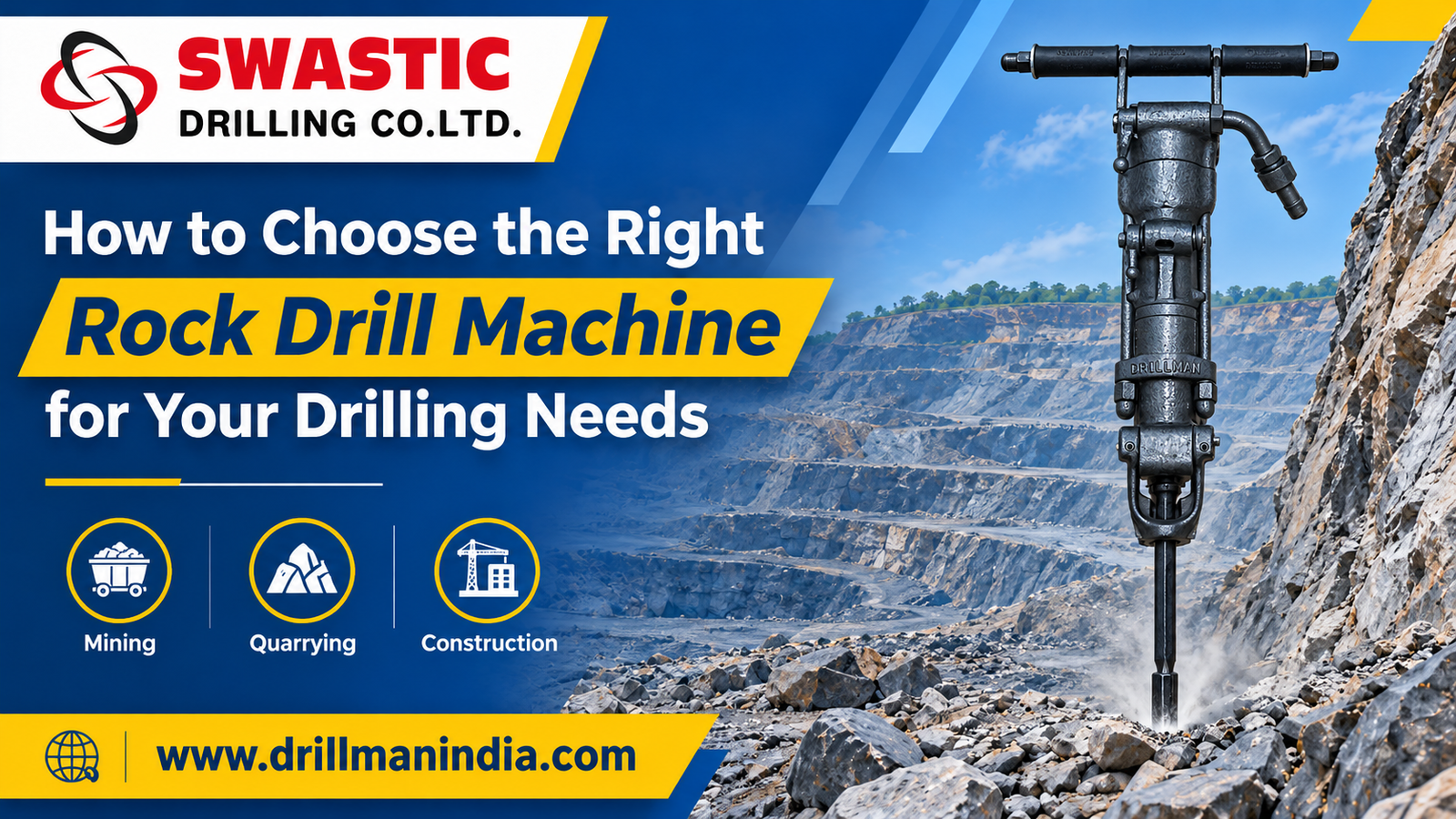
Choosing the right drilling equipment can have a major impact on productivity, operating cost and the overall efficiency of a drilling project. Whether the application involves mining, quarrying, construction, tunnelling or general rock excavation, the machine should be selected according to the actual working conditions rather than simply by size or price.
A suitable rock drill machine should match the type of rock, required hole size, drilling depth, available power source and working environment. Understanding these factors can help buyers make a more practical purchasing decision.
1. Understand Your Drilling Application
The first step is to identify where and how the machine will be used. A rock drilling machine used in a quarry may have different operating requirements from equipment used in underground mining, road construction or tunnelling.
Before selecting a machine, buyers should consider:
- Type and hardness of rock
- Required hole diameter
- Expected drilling depth
- Horizontal, vertical or inclined drilling
- Working area and accessibility
- Frequency of operation
Clearly defining the application helps narrow down the type of drilling equipment required.
2. Select the Right Type of Rock Drill
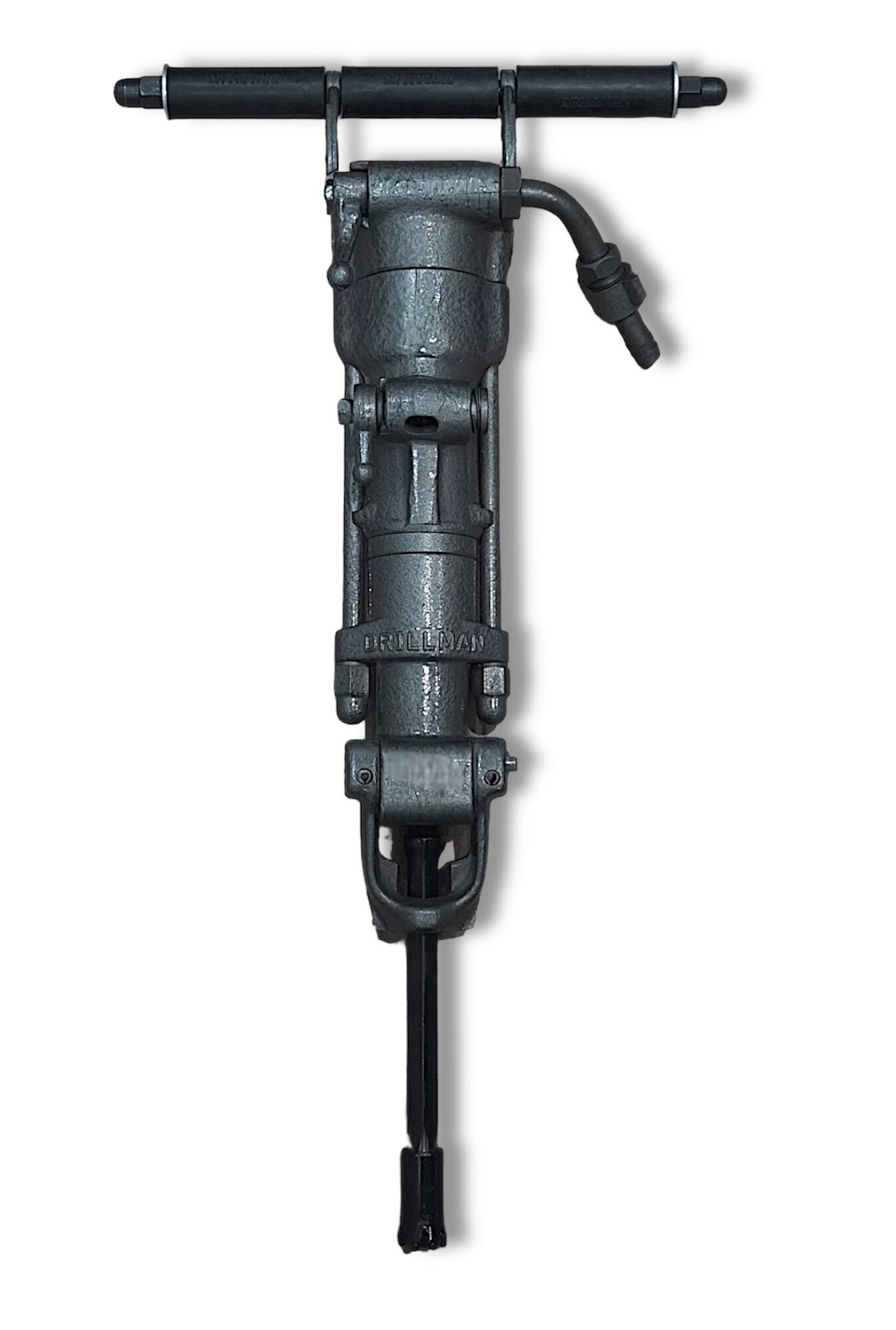
Different drilling applications require different machine configurations. A pneumatic rock drill is commonly considered for operations where compressed air is readily available and rugged equipment is preferred for demanding rock drilling work.
A pneumatic rock drill machine can be suitable for mining, quarrying and construction applications depending on its design and intended operating conditions. Buyers should compare machines based on their drilling requirement rather than assuming that one model will be suitable for every type of rock.
For applications involving breaking, demolition or certain drilling operations, a jack hammer drill machine may also be considered. When sourcing such equipment, it is important to discuss the intended application with an experienced jackhammer supplier so that the machine is matched correctly to the job.
3. Consider the Rock Formation
Rock conditions play an important role in machine selection. Hard, abrasive or fractured rock can influence drilling performance and tool consumption.
Before purchasing a rock drilling machine, buyers should provide the manufacturer with information about the formation being drilled. This allows the supplier to recommend equipment that is more appropriate for the working conditions.
A machine selected without considering rock characteristics may result in slower drilling, increased tool wear or unnecessary operating costs.
4. Check the Available Air Supply
Many rock drills operate using compressed air. In such applications, the available compressor capacity and operating pressure should be considered alongside the machine.
Selecting a pneumatic rock drill machine without checking the available air supply can affect drilling performance. Buyers should therefore review the complete drilling system rather than evaluating the drill independently.
This is particularly important for contractors working at remote mining, quarrying or construction sites where compressor availability may be limited.
5. Consider Handling and Working Conditions
The working environment also affects machine selection. Underground mines, narrow tunnels, open quarries and construction sites may have very different space and handling requirements.
The operator should be able to position and control the rock drill machine efficiently during operation. Machine weight, mounting arrangement and accessibility should therefore be evaluated before purchase.
For repetitive drilling applications, buyers may also need to consider whether supporting equipment or drilling accessories are required.
6. Evaluate Spare Parts and Service Support
Machine performance is only one part of the buying decision. Availability of spare parts, consumables and technical assistance is equally important for long-term operation.
When comparing a rock drilling machine manufacturer, buyers should ask about:
- Spare parts availability
- Maintenance requirements
- Compatible drilling tools
- Technical support
- Product documentation
Reliable after-sales support can help reduce equipment downtime and simplify routine maintenance.
7. Choose an Experienced Manufacturer
Working directly with an established rock drilling machine manufacturer can make equipment selection easier, particularly when the application has specific drilling requirements.
For buyers sourcing equipment internationally, choosing a rock drilling machine manufacturer in India can provide access to a broad range of machines and drilling consumables for mining, quarrying and construction applications.
Swastic Drilling Company Limited manufactures rock drilling machinery and related drilling products for different industrial applications. Buyers can discuss their drilling conditions and application requirements with the company before selecting suitable equipment.
Conclusion
There is no single rock drilling machine that is ideal for every drilling operation. The right choice depends on rock conditions, hole requirements, working environment, air availability and operating needs.
Instead of selecting equipment only on price, buyers should compare the complete application and work with a knowledgeable manufacturer or supplier. Providing accurate details about the drilling site helps the supplier recommend a rock drill machine that is better suited to the required work.
A properly selected machine can support more efficient drilling operations, easier maintenance and better utilisation of drilling equipment over its working life.
Product: Rock drill machine
Email: sales@drillmanindia.com
Phone: +91 7065551900

