


 Español
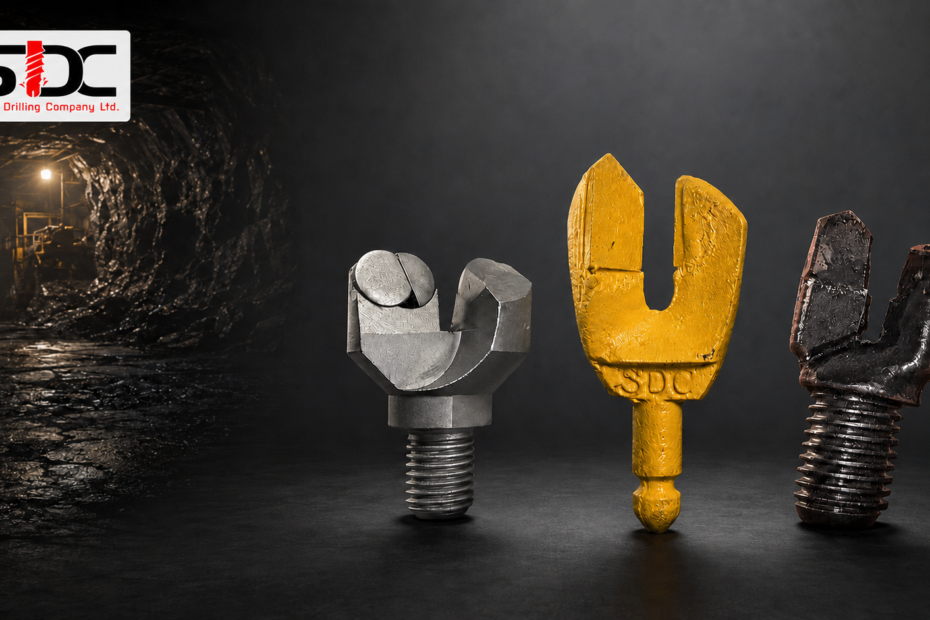
Underground coal mining is a demanding operation in which drilling tools must perform reliably under challenging geological conditions. Although coal is relatively soft, drilling operations frequently encounter shale, sandstone, mixed formations and other abrasive rock layers. These conditions can increase drill-bit wear and reduce drilling efficiency.
Selecting the right coal drill bit is therefore essential for maintaining productivity, minimizing downtime and controlling operational costs.
A drill bit does much more than create a hole. Its cutting material, geometry, manufacturing quality and compatibility with the drilling system directly affect:
- Penetration rate
- Hole accuracy
- Drill-bit service life
- Equipment wear
- Operational downtime
- Cost per metre drilled
For mining engineers and procurement teams, drill-bit selection should not be based solely on purchase price. The drilling application, geological conditions, carbide quality, required hole diameter and compatibility with the drill rod must all be considered.
This guide explains how to select the right drill bit and introduces the different DRILLMAN drill-bit options available for underground coal mining.
Why Choosing the Right Coal Drill Bit Matters
Coal seams do not always consist of coal alone. Shale, sandstone and mixed rock formations place different demands on drilling tools. A bit that performs well in one formation may wear rapidly or drill inefficiently in another.
The correct drill bit can help an underground mining operation:
- Achieve faster and more consistent penetration
- Produce accurate hole diameters
- Reduce premature bit wear
- Reduce the frequency of bit replacement
- Minimize operational interruptions
- Improve drilling productivity
- Lower the overall cost per metre drilled
Instead of comparing drill bits only by their purchase price, mining companies should evaluate their total drilling cost. A higher-quality bit that drills faster and lasts longer may offer considerably better value than a cheaper bit requiring frequent replacement.
Key Factors to Consider When Choosing a Coal Drill Bit
1. Geological conditions
Before choosing a bit, identify the formation in which drilling will take place. Common underground conditions include:
- Coal seams
- Soft rock
- Shale
- Sandstone
- Abrasive formations
- Mixed geological formations
Softer coal formations may require a different cutting design from abrasive sandstone or mixed formations. Matching the bit to the geology improves penetration and reduces premature wear.
2. Drilling application
Different underground mining activities require different drill-bit designs.
Common applications include:
- Coal-seam drilling
- Development headings
- Roof-support preparation
- Roof-bolt hole drilling
- Tunnel development
- Mine stabilization
A standard coal drill bit may be suitable for coal-seam drilling, while roof-support work requires a bit capable of creating an accurate hole for proper bolt installation.
3. Tungsten carbide quality
The quality of the cutting element strongly affects drill-bit performance.
SDC Coal Drill Bits use tungsten carbide tips mounted on a heat-treated alloy-steel body. Tungsten carbide offers high hardness and wear resistance, helping the cutting edge perform under demanding underground conditions.
High-quality carbide can help:
- Maintain efficient penetration
- Reduce cutting-edge wear
- Extend drill-bit life
- Lower replacement frequency
- Deliver consistent drilling performance
Precision brazing is also important because it secures the carbide tips to the steel body during repeated drilling loads.
4. Manufacturing quality
Even good cutting material will not perform reliably if the drill bit is poorly manufactured. Important manufacturing considerations include:
- Quality of the alloy-steel body
- Correct heat treatment
- Carbide grade and consistency
- Accuracy of the brazing process
- Cutting geometry
- Dimensional accuracy
- Thread quality
- Final inspection and quality control
DRILLMAN drill bits are manufactured using heat-treated alloy steel, tungsten carbide cutting elements and controlled brazing processes. OEM manufacturing options are also available for application-specific requirements.
5. Drill-bit size
The drill-bit diameter must match the required hole size and equipment specification.
Selecting the correct diameter helps:
- Produce accurate holes
- Improve drilling stability
- Avoid unnecessary tool wear
- Support proper roof-bolt installation
- Improve overall drilling efficiency
6. Compatibility with the drill rod
A drill bit and drill rod should function as a matched drilling system. Incorrect threads, dimensions or connections can cause:
- Poor energy transfer
- Excessive vibration
- Thread damage
- Unstable drilling
- Premature failure of the bit or rod
Always confirm the thread, rod design and equipment specifications before placing an order.
Types of SDC Drill Bits for Underground Coal Mining
Coal Drill Bit

The SDC Coal Drill Bit is designed for coal-seam drilling and mine-development applications where durability, penetration and consistent performance are required.
It is manufactured with a heat-treated alloy-steel body and tungsten carbide tips. Its cutting geometry is designed to support efficient penetration while controlling wear in coal and surrounding soft-rock formations.
Key features
- Tungsten carbide cutting tips
- Heat-treated alloy-steel body
- Precision brazing for carbide retention
- Cutting geometry designed for efficient drilling
- Durable construction for underground use
Available sizes
- 36 mm
- 43 mm
Applications
- Underground coal mining
- Coal-seam drilling
- Development headings
- Roof-support preparation
- Coal and soft-rock formations
Benefits
- Efficient penetration
- Improved wear resistance
- Consistent drilling performance
- Fewer bit replacements
- Reduced cost per metre drilled
Coal Drill Bit for Roof Bolting
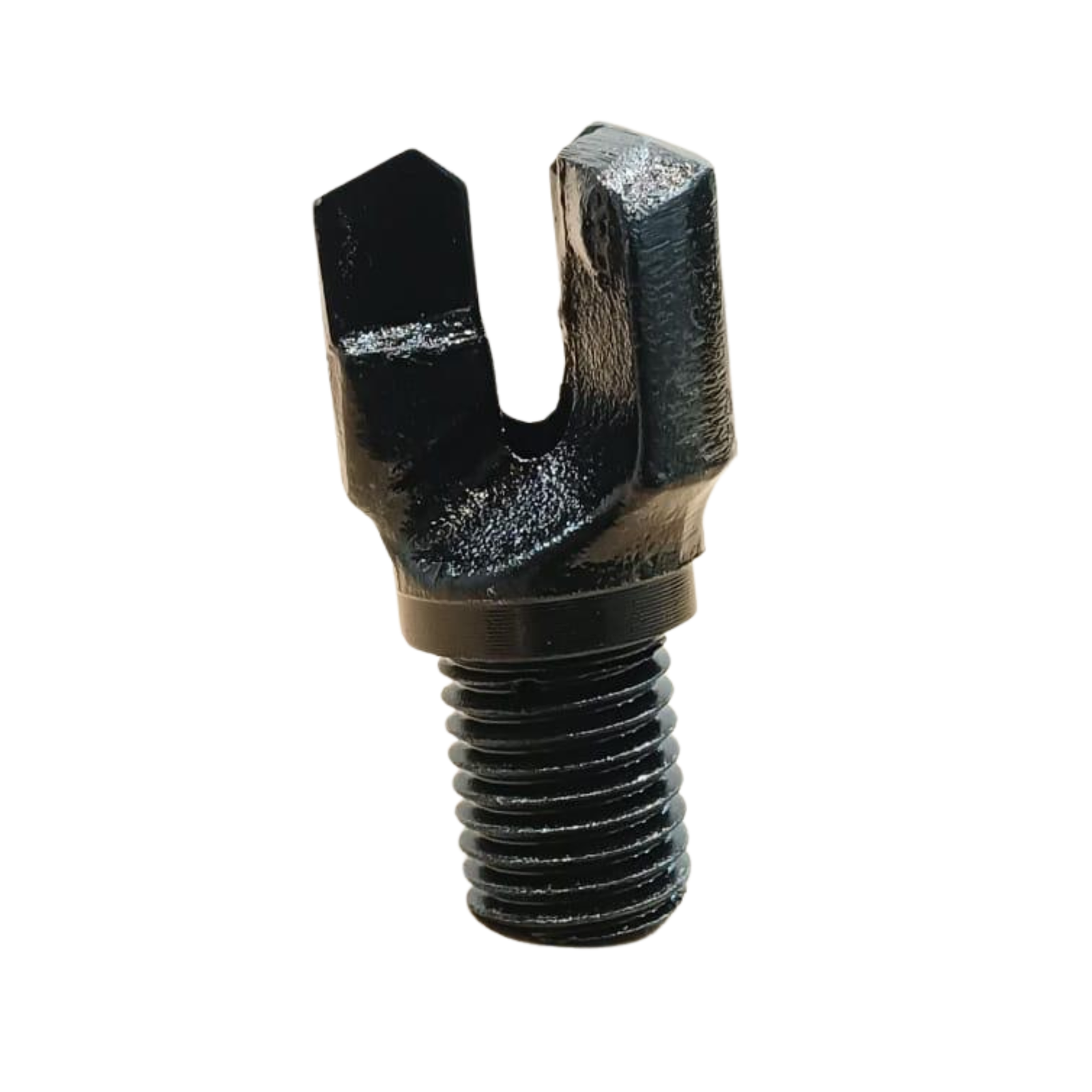
Roof bolting is a critical underground mine-safety operation. Correct and accurate drilling is essential for reliable roof-bolt installation and long-term roof stability.
The SDC Coal Drill Bit for Roof Bolting is designed to produce accurate holes while maintaining stable drilling performance in underground conditions.
Key features
- Cutting design suitable for coal formations
- Accurate hole diameter
- Stable drilling performance
- Efficient flushing channels
- Reinforced gauge protection
- Wear-resistant tungsten carbide cutting elements
Available sizes
- 27 mm
- 29 mm
- 30 mm
- 32 mm
Thread options
- M16
- ½ BSW
Drilling options
- Dry drilling
- Wet drilling
Applications
- Roof-bolt hole drilling
- Roof-support installation
- Tunnel stabilization
- Mine development
Benefits
- Faster roof-bolt hole drilling
- Accurate holes for proper bolt installation
- Efficient removal of drill cuttings
- Longer service life
- Reduced drilling cost per hole
PDC Roof Bolting Drill Bit
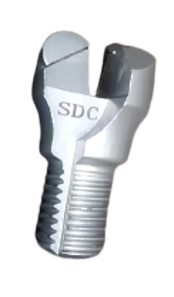
The SDC PDC Roof Bolting Drill Bit is intended for applications requiring high drilling efficiency and extended service life.
PDC stands for Polycrystalline Diamond Compact. A PDC cutter shears the formation instead of relying primarily on crushing. Under suitable geological conditions, this cutting action can improve penetration while reducing vibration and wear.
Key features
- PDC cutting technology
- High wear resistance
- Efficient penetration
- Reduced vibration
- Extended operational life
Available sizes
- 27 mm
- 29 mm
- 30 mm
- 32 mm
- 43 mm
Thread size
- M16
PDC cutter configurations
- Half cutter
- Whole cutter
- Half-and-whole cutter combination
Applications
- Underground coal mining
- Roof-bolt hole drilling
- Coal seams
- Shale
- Sandstone
- Suitable mixed formations
Benefits
- Faster drilling under suitable conditions
- Longer operational life
- Lower replacement requirements
- Reduced operating costs
- Improved drilling productivity
Quick Drill-Bit Selection Guide
| Mining requirement | Recommended option | Main selection consideration |
|---|---|---|
| Coal-seam and development drilling | Coal Drill Bit | Formation and required diameter |
| Roof-bolt hole drilling | Coal Drill Bit for Roof Bolting | Hole accuracy, thread and wet/dry drilling |
| Higher wear resistance and drilling efficiency | PDC Roof Bolting Drill Bit | Geological suitability and equipment compatibility |
| Shale, sandstone or mixed formation | Application-specific carbide or PDC bit | Abrasiveness and formation consistency |
This is a general guide. Final selection should be based on the actual geology, drilling equipment, rod connection and required hole diameter.
Compatibility With Diamond and Turbine Section Drill Rods
The efficiency of a drilling system depends on the connection between the drill bit and drill rod.
SDC Coal Drill Bits are available for use with Diamond Section Drill Rods and Turbine Section Drill Rods. A compatible drilling combination can provide:
- Efficient transfer of drilling energy
- Improved drilling stability
- Reduced connection wear
- Consistent hole quality
- Longer service life for the complete drilling system
Before ordering, confirm the required bit diameter, thread type, drill-rod section and drilling-machine specifications.
How to Extend Coal Drill-Bit Life
Inspect the drill bit before use
Before every shift, check for:
- Worn or damaged carbide tips
- Cracks in the steel body
- Damaged threads
- Excessive gauge wear
- Loose cutting elements
- Blocked flushing passages
Replacing a severely worn bit before it fails can help prevent damage to the drill rod and other components.
Maintain proper flushing
Effective flushing removes cuttings from the hole and controls heat buildup. Inadequate flushing may cause:
- Lower penetration
- Faster carbide wear
- Bit overheating
- Poor hole quality
- Increased risk of the bit becoming stuck
Follow the equipment manufacturer’s recommendations for air or water flushing.
Use compatible drilling components
Use drill bits, drill rods and drilling equipment with the correct dimensions and connections. A properly matched system improves energy transfer and reduces unnecessary thread wear and vibration.
Follow the correct operating parameters
Excessive feed force, incorrect rotation speed or poor machine alignment can damage the bit. Operators should use parameters suitable for the formation and drilling equipment.
Store drill bits correctly
Store drill bits in a clean, dry location. Protect carbide or PDC cutting elements from impact and keep threaded connections free from moisture, dust and debris.
Common Mistakes to Avoid
Mining operations should avoid:
- Selecting a drill bit only by its purchase price
- Using the same bit for every geological formation
- Ignoring shale, sandstone or abrasive layers
- Choosing the wrong diameter
- Using an incompatible thread or drill rod
- Continuing to operate a severely worn bit
- Using inadequate flushing
- Applying incorrect drilling parameters
- Ignoring the total cost per metre drilled
Frequently Asked Questions
What is the difference between a Coal Drill Bit and a Roof Bolting Drill Bit?
A Coal Drill Bit is primarily used for coal-seam drilling and mine-development work. A Roof Bolting Drill Bit is designed to produce accurate holes for installing roof bolts that support and stabilize the mine roof.
Why is tungsten carbide used in coal drill bits?
Tungsten carbide combines high hardness with strong wear resistance. This helps the drill bit maintain its cutting ability under demanding underground drilling conditions.
When should a PDC Roof Bolting Drill Bit be used?
A PDC bit may be suitable when the formation and drilling system allow its shearing action to provide faster penetration and longer service life. Geological suitability should be confirmed before selection because PDC performance can vary between formations.
Which drill rods are compatible with SDC Coal Drill Bits?
DRILLMAN Coal Drill Bits are available for use with Diamond Section and Turbine Section Drill Rods. The correct combination depends on the bit size, thread, rod specification and drilling equipment.
How should drill-bit value be compared?
Compare the cost per metre drilled or cost per completed hole, rather than purchase price alone. Consider penetration rate, service life, replacement time, downtime and the effect on other drilling components.
Conclusion
Choosing the right coal drill bit is essential for efficient and cost-effective underground mining. Geological conditions, drilling application, cutting material, bit diameter, thread type and drill-rod compatibility all influence drilling performance.
Whether the requirement involves coal-seam drilling, roof bolting or drilling through mixed formations, the bit should be selected as part of a complete and compatible drilling system.
SDC manufactures:
- Coal Drill Bits
- Coal Drill Bits for Roof Bolting
- PDC Roof Bolting Drill Bits
- Diamond Section Drill Rods
- Turbine Section Drill Rods
Request a Quote
Looking for the right drill bit for your underground mining operation?
Contact Swastic Drilling Company Limited to discuss your geology, drilling application, required hole diameter and equipment specifications. Our team can help recommend a suitable SDC drill bit and rod combination.

