


 Español

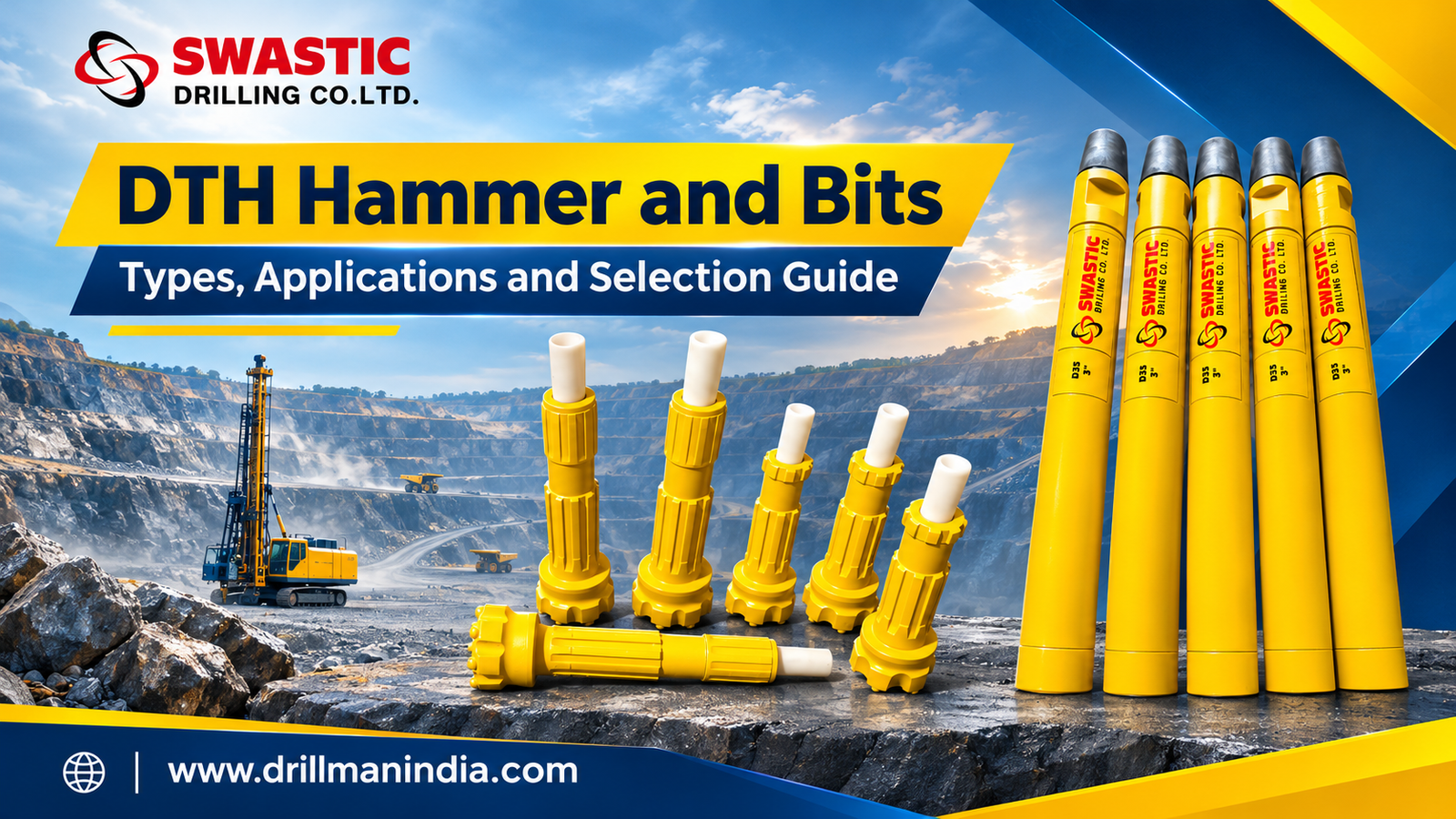
Drilling through hard and abrasive rock formations requires equipment that can withstand demanding working conditions while maintaining consistent performance. DTH hammer and bits are widely used in mining, quarrying, construction and water well drilling because of their effective rock penetration capabilities.
However, selecting the right drilling equipment involves more than considering its price. Rock characteristics, operating pressure, drilling depth and equipment compatibility all influence drilling performance and operational costs. Understanding these factors helps industrial buyers make informed purchasing decisions.
What Is a DTH Hammer and How Does It Work?
A DTH hammer, also known as a Down-the-Hole hammer, is a pneumatic drilling tool designed to break rock through repeated percussive impacts. Unlike conventional top hammer drilling systems, the hammer operates directly behind the drill bit at the bottom of the borehole.
Compressed air powers an internal piston that repeatedly strikes the drill bit, breaking the rock into smaller fragments. The exhaust air helps remove rock cuttings from the borehole.
A DTH drilling hammer offers several operational advantages:
- Effective penetration in hard rock formations.
- Improved borehole straightness.
- Efficient removal of rock cuttings.
- Reduced energy transmission losses along the drill string.
- Suitability for deep-hole drilling applications.
Different Types of DTH Hammers
DTH hammers are available in different configurations depending on drilling requirements and operating conditions.
1. Low-Pressure DTH Hammers
These hammers operate at relatively low air pressure and are suitable for compatible drilling systems where compressed air capacity is limited.
2. High-Pressure DTH Hammers
Designed for higher operating air pressures, these hammers are commonly used in demanding rock drilling applications where increased penetration rates are required.
3. Heavy-Duty DTH Hammers
Heavy-duty hammers are designed for challenging operating conditions, including hard rock formations and demanding mining and quarrying applications.
Selecting an experienced DTH hammer manufacturer can help buyers identify the appropriate hammer configuration based on their drilling requirements.
Types of DTH Drill Bits
DTH drill bits are the cutting components that directly interact with rock formations. Their face design and carbide button configuration significantly influence drilling performance.
- Flat Face Bits: Suitable for hard and abrasive rock formations.
- Concave Face Bits: Suitable for applications requiring good hole straightness.
- Convex Face Bits: Commonly used in softer to medium-hard rock formations.
- Drop Centre Bits: Designed to help control hole deviation.
A reliable DTH drill bit manufacturer can assist buyers in selecting suitable bit designs according to rock hardness, abrasiveness and drilling conditions.
Major Applications of DTH Hammer and Bits
DTH drilling equipment is used across various industries where accurate and reliable rock drilling is essential.
- Mining: Blast-hole drilling and mineral extraction operations.
- Quarrying: Drilling through granite, limestone and other rock formations.
- Construction: Foundation drilling and infrastructure development.
- Water Well Drilling: Borehole drilling for groundwater extraction.
- Geotechnical Engineering: Ground investigation and geological exploration.
How to Choose the Right DTH Hammer and Bits
Industrial buyers should evaluate the following factors before purchasing drilling equipment.
Rock Hardness and Formation
Understanding rock hardness, abrasiveness and geological conditions helps determine the appropriate hammer and bit design. Incorrect selection may lead to premature wear and reduced productivity.
Operating Air Pressure
Ensure that the hammer’s operating pressure and air consumption requirements match the available compressor capacity.
Hole Diameter and Drilling Depth
Choose equipment according to the required borehole diameter and depth. Confirm that the drill bit shank is compatible with the hammer.
Material Quality and Durability
Quality alloy steel, suitable carbide buttons and proper heat treatment are important factors influencing equipment durability and wear resistance.
Maintenance and Operating Costs
Consider spare parts availability, maintenance requirements and cost per metre drilled rather than focusing solely on the initial purchase price.
Importance of Choosing a Reliable Manufacturer and Supplier
Working with an established DTH hammer manufacturer in India can help industrial buyers access suitable drilling equipment and technical assistance.
When selecting a DTH hammer supplier or DTH drill bit supplier, buyers should consider:
- Product quality and manufacturing standards.
- Availability of compatible drilling equipment.
- Technical guidance and product selection assistance.
- Spare parts availability and after-sales support.
- Delivery schedules and long-term operating costs.
A suitable supplier can help contractors select equipment that matches their actual site requirements.
Maintenance Tips for DTH Hammers and Bits
Proper maintenance can extend equipment service life and minimise unnecessary downtime.
- Ensure adequate lubrication during operation.
- Inspect carbide buttons regularly for wear.
- Maintain clean and sufficient compressed air circulation.
- Replace excessively worn or damaged components.
- Follow manufacturer-recommended operating parameters.
Conclusion
Selecting the right DTH hammer and bits is essential for achieving consistent drilling performance, managing operational costs and maintaining productivity. Understanding rock formations, equipment compatibility and maintenance requirements allows industrial buyers to make better purchasing decisions.
Swastic Drilling Company Limited offers rock drilling equipment for diverse industrial applications. Explore our range of drilling tools and consumables to identify suitable solutions for your project requirements.
Product: DTH Hammer | DTH Bits
Email: sales@drillmanindia.com
Phone: +91 7065551900

